


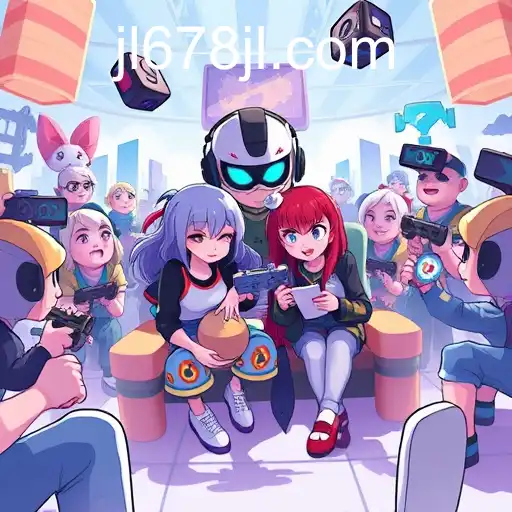
Exploring the cutting-edge trends and community dynamics of online gaming in 2026.
The world of online gaming has transformed dramatically over the years, and 2026 is no exception. With a focus on jl678, a leading English game website, we explore the latest trends shaping the virtual gaming landscape.
In recent years, technology has been the primary driver of evolution within the industry. The integration of virtual reality and AI has enriched gaming experiences, offering players an immersive environment where the line between reality and the digital world is increasingly blurred. The developers at jl678 have embraced these advancements, providing gamers with a platform that pushes the boundaries of interactive entertainment.
A significant trend in 2026 is the rise of community-driven content within the gaming realm. Players have become more than just consumers; they are active creators and influencers. Platforms like jl678 have facilitated this through tools that allow for user-generated content, enhancing the communal aspect and creating a vibrant ecosystem.
Furthermore, the economic impact of gaming has reached unprecedented levels. Esports, once a niche area, has surged into the mainstream, attracting massive audiences and sponsorship deals. This has transformed competitive gaming into a viable career path for many, supported by platforms such as jl678, which offer comprehensive coverage and engagement opportunities for fans and athletes alike.
However, along with advancements, the industry faces challenges. Concerns over data privacy, online harassment, and the digital divide remain pressing issues. Nevertheless, optimism prevails as developers, communities, and regulators work together to address these problems. With its commitment to innovation and community, jl678 stands at the forefront of these transformative efforts.
In summary, the landscape of online gaming in 2026 is one of innovation and community. As platforms like jl678 continue to evolve, they redefine not only how games are played but also how they are perceived in broader cultural contexts.

